Top Things To Know Before Buying Mint Peanut Butter
Mint peanut butter combines roasted peanuts with a cool mint taste. Some products keep the recipe simple, while others add cocoa, chocolate, sweeteners, oils, or crunchy pieces. As a result, two jars can taste and perform very differently.
This mint peanut butter buying guide explains how to compare ingredients, nutrition, texture, safety, storage, and value. Whether you want mint flavored peanut butter for breakfast, snacks, or baking, checking the back label will help you make a better choice.
1. What Is Mint Peanut Butter?
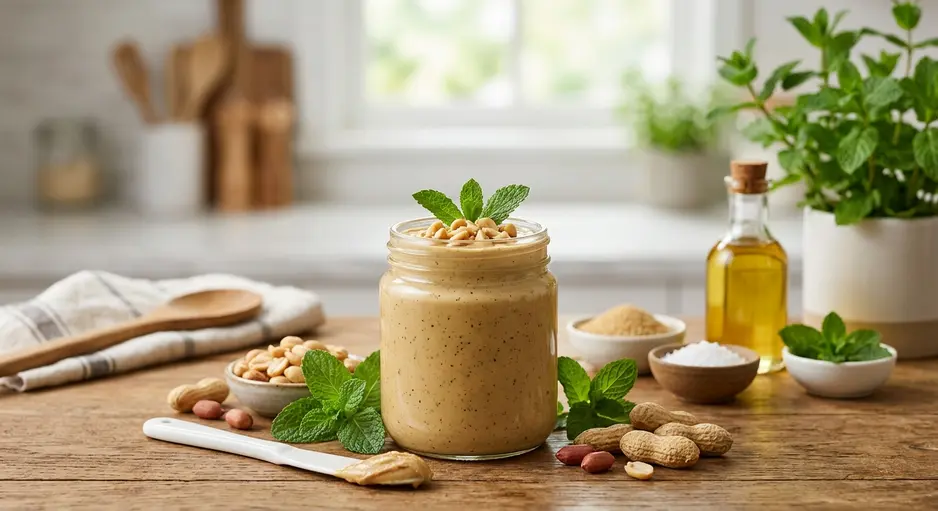
Mint peanut butter starts with peanuts ground into a smooth or textured paste. Manufacturers then add mint flavoring and, in some recipes, cocoa or chocolate. The finished spread may taste mildly refreshing or more like a sweet mint dessert.
How Is the Mint Flavor Added?
The mint taste may come from food-grade mint extract, peppermint oil, mint oil, natural flavoring, or artificial flavoring. According to FDA flavor-labeling rules, natural and artificial flavors have specific regulatory meanings. However, “natural flavor” does not mean that a jar contains whole mint leaves.
Read the ingredient list if the source matters to you. Contact the brand when the label only says “flavor” and you need more detail.
Peanut Paste Versus a Dessert-Style Spread
A simple mint peanut spread may contain roasted peanuts, flavoring, salt, and a small amount of sweetener. A dessert-style product may include more sugar, cocoa, chocolate, vegetable oil, or emulsifiers. These additions can change the nutrition, flavor, and percentage of peanuts in each serving.
What Should It Taste Like?
The peanut taste should still be noticeable. Mint should feel fresh rather than medicinal or overpowering. Chocolate can soften strong peppermint notes. A mildly sweet spread may suit toast or oats, while a richer chocolate-mint option may work better in brownies and desserts.
2. How Do You Choose Mint Peanut Butter Ingredients?
Start With Roasted Peanuts
Ingredients are generally listed in descending order by weight. Look for peanuts near the beginning of the list. When the manufacturer states the peanut percentage, use it to compare similar products.
Roasting also affects taste. A lighter roast may have a gentle, slightly sweet flavor. A darker roast can taste deeper but may introduce more bitterness. Neither is automatically better; the right choice depends on your preference.
Identify the Mint Source
A clear label may name peppermint oil, mint extract, or another specific source. Less detailed labels may use “natural flavor” or “artificial flavor.” Natural flavoring is not automatically safer or more nutritious than an artificial option. Both must meet the rules that apply in the market where the food is sold.
Also check whether cocoa, chocolate, dairy solids, or chocolate chips are present. These can balance the mint but may add sugar, saturated fat, or extra allergens.
Check Sugar, Salt, and Added Oils
Use the nutrition panel to compare total sugar with added sugar where both are declared. Check sodium instead of relying on claims such as “lightly salted.” The FDA provides practical guidance for reading the Nutrition Facts label.
Palm oil, hydrogenated fat, and other stabilizers help prevent oil separation. They may also produce a more uniform creamy texture. A product without stabilizers can have a simpler formula, but it may need stirring before use.
Look Beyond a Short Ingredient List
A clean label formulation might contain peanuts, mint extract, a modest amount of sweetener, salt, and optional cocoa. Still, the number of ingredients does not tell the whole story. Ingredient quality, allergen controls, transparent labeling, and food safety standards matter more than length alone.
3. Is Mint Peanut Butter Healthy?
Its nutritional value depends on the recipe and serving size. Peanuts naturally provide protein and mainly unsaturated fats. However, extra sugar and oils can lower the proportion of peanuts and change the overall nutrition profile.
Compare Protein and Healthy Fats
Compare protein content using equal serving sizes. A product with a high peanut content will often be closer to regular peanut butter, but the label is the only reliable way to know. USDA FoodData Central offers general nutrition data for peanut butter and roasted peanuts, although the figures on the actual jar should guide your purchase.
Use a Simple Nutrition Comparison
- Match the serving sizes.
- Compare calories and protein.
- Review added sugar.
- Check sodium and saturated fat.
- Confirm the ingredient order and peanut content.
Do Front-Label Claims Tell the Full Story?
Claims such as “high protein,” “no added sugar,” “vegan,” “natural,” “keto-friendly,” and “no preservatives” need context. For example, no added sugar does not always mean sugar-free. A flavored peanut butter may contain naturally occurring sugar or ingredients that contribute sweetness.
“Natural” may also have different regulatory implications across markets. Use the complete ingredient list, nutrition panel, and allergen statement rather than judging a product by one front-label claim.
4. Creamy or Crunchy: Which Texture Is Better?

Creamy Texture for Spreading and Blending
Creamy mint peanut butter is easy to spread and usually blends well into smoothies, oatmeal, sauces, frostings, and no-bake snacks. A stabilized product may stay smooth for longer, while a natural formula can separate between uses.
Crunchy Texture for Snacks and Baking
Crunchy mint peanut butter adds bite to cookies, brownies, sandwiches, energy balls, and fruit pairings. It can be enjoyable for direct snacking, but the peanut pieces may make thin sauces or smooth fillings harder to prepare.
Is Oil Separation a Quality Problem?
Oil separation is common when a spread does not contain stabilizers. Stirring the oil back into the peanut paste is normally enough. Separation alone does not mean the food has spoiled. A broken seal, mold, unusual odor, or sharply rancid taste is more concerning.
5. What Is the Best Option for Your Needs?
Mint Peanut Butter for Breakfast
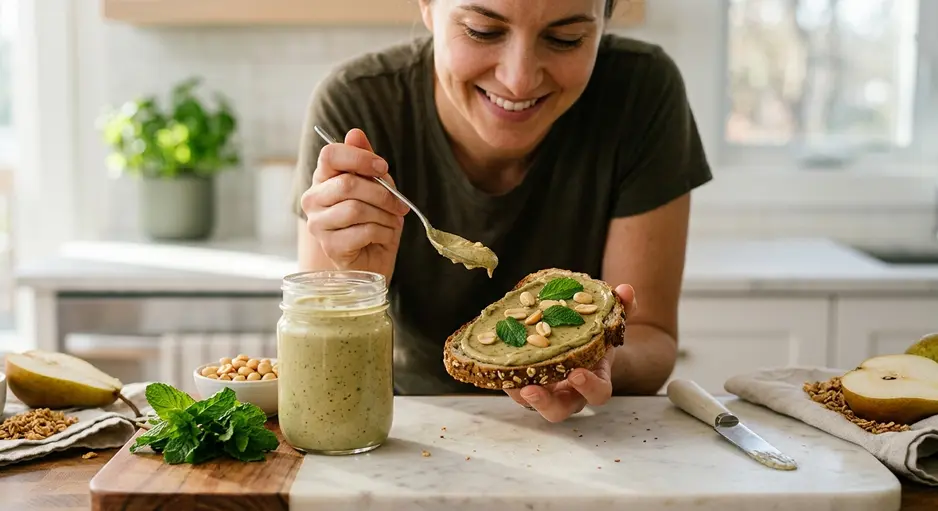
For breakfast, look for higher peanut content, useful protein, moderate sweetness, controlled sodium, and an easy-to-spread texture. It can be served with whole-grain toast, overnight oats, pancakes, waffles, fruit, or smoothies.
Mint Peanut Butter for Snacks
A mint peanut butter spread can pair with apples, bananas, crackers, rice cakes, or yogurt. It can also bind oats and seeds in homemade energy bites. Portioning the spread into a bowl or onto food makes serving size easier to manage than eating directly from the jar.
Mint Peanut Butter for Baking
Choose a consistent texture and a mint taste strong enough to remain noticeable after heating. Creamy products work well in batters, frostings, and fillings. Crunchy products add texture to cookies and bars.
Remember that the spread already contributes fat, sugar, and salt. A sweet chocolate-mint product may allow you to reduce sugar in brownies, but the recipe may need testing to maintain the right structure.
Choosing for Dietary Preferences
Do not assume every peanut spread is vegan, dairy-free, or gluten-free. Added chocolate, whey, flavor carriers, and inclusions can change suitability. Review statements about dairy, gluten, sweeteners, palm oil, preservatives, and cross-contact before buying.
6. How Can You Evaluate Quality and Food Safety?
Read Allergen Information Carefully
Peanuts are a major food allergen. Mint does not reduce the risk of a peanut-allergy reaction. Check for milk, soy, tree nuts, sesame, and other declared allergens or cross-contact warnings. The FDA food allergy guidance explains US labeling requirements.
Anyone managing a food allergy should follow advice from a qualified healthcare professional. If a label is unclear, do not rely on assumptions about shared equipment or manufacturing conditions.
Review Manufacturing Information
When evaluating a mint peanut butter brand, look for valid food business licensing, a batch or lot number, tamper-evident packaging, and clear manufacture and best-before dates. HACCP, ISO 22000, BRCGS, or similar systems can support confidence, but certification alone does not guarantee the quality of every jar.
Products sold in India should follow applicable FSSAI food safety and labeling regulations. International buyers may also review relevant Codex Alimentarius standards for labeling and contaminant control.
Ask About Aflatoxin Controls
Peanuts can be vulnerable to mold contamination when growing, drying, transport, or storage conditions are poor. A credible supplier should be able to explain its supplier approval, moisture control, raw material inspection, hygienic processing, traceability, and aflatoxin testing practices.
For a large order, ask for product specifications, relevant certificates, batch-testing information, packaging details, and documented shelf-life guidance.
7. Mint Peanut Butter Storage and Shelf Life
How Should the Jar Be Stored?
Keep an unopened jar in a cool, dry place away from sunlight and heat. After opening, close the lid securely and use a clean, dry utensil. Water, crumbs, and other food residue can affect product quality.
Follow the manufacturer’s refrigeration directions. Chilling may slow oxidation in some natural formulations, but it can also make the spread firmer and harder to mix.
How Long Does It Last?
There is no universal mint peanut butter shelf life. It depends on the formulation, processing method, packaging, and storage conditions. Use the printed best-before date as your main guide and follow any after-opening instructions provided by the manufacturer.
When Should You Discard It?
- The jar is leaking, swollen, or badly damaged.
- The tamper seal was broken before purchase.
- You can see mold or unusual discoloration.
- The spread smells paint-like, bitter, soapy, or rancid.
- There are unexpected signs of fermentation or major texture change.
Normal oil separation is different from spoilage. If you are uncertain about the product’s condition, it is safer not to eat it.
8. Mint Peanut Butter Buying Checklist
- Peanuts listed first: Shows that peanuts are a major ingredient.
- Named mint source: Provides greater flavor transparency.
- Added sugar: Helps you compare sweetness.
- Protein per serving: Supports a fair nutrition comparison.
- Sodium: Reveals more than general salt claims.
- Oils and stabilizers: Affects consistency and separation.
- Allergen statement: Identifies allergens and possible cross-contact.
- Safety controls: Supports manufacturing credibility.
- Batch and date details: Help with traceability and freshness.
- Packaging condition: Protects food quality and safety.
Choose by Label, Taste, and Intended Use
The right choice depends on peanut content, mint source, sweetness, nutrition, texture, allergens, and storage needs. Compare the back labels instead of relying only on words such as “natural” or “high protein.”
Explore Nutrionex Foods and review the available ingredient, nutrition, allergen, and storage information to find a flavored peanut butter option suited to your routine.
Frequently Asked Questions About Mint Peanut Butter
1. Is Mint Peanut Butter Good for Breakfast?
It can be a practical breakfast option when it has a suitable balance of peanuts, protein, added sugar, sodium, and calories. Pair it with whole-grain toast, fruit, or oats for a more complete meal.
2. Does It Contain Real Mint?
Some products use peppermint oil or mint extract. Others use natural or artificial mint flavoring. Check the ingredient list, as the product name alone does not identify the flavor source. Contact the company if the declaration is unclear.
3. Is Natural Mint Peanut Butter Better?
Not automatically. Natural mint peanut butter may use fewer stabilizers and may show more oil separation. You should still evaluate nutrition, ingredient quality, allergens, packaging, testing, and safety controls.
4. Should It Be Refrigerated?
Follow the directions on the jar. Refrigeration may slow oxidation after opening, especially in some natural spreads. However, it can make the product thicker and less convenient to spread.
5. Can Mint Peanut Butter Be Used for Baking?
Yes. It works in cookies, brownies, frostings, fillings, and no-bake desserts. Adjust the recipe for the spread’s existing sugar, salt, fat, cocoa, and mint intensity.