Peanut Paste Vs Peanut Butter: Key Difference
Peanut paste and peanut butter both begin with ground peanuts, so it is easy to think they are the same product. In practice, their formulation, texture, packaging, and intended uses may differ.
Peanut paste is often supplied as an ingredient for food processing. Natural peanut butter is usually sold as a ready-to-eat spread. However, product names and standards can vary by manufacturer and country. That is why ingredient labels and specification sheets matter.
Is Peanut Paste the Same as Peanut Butter?
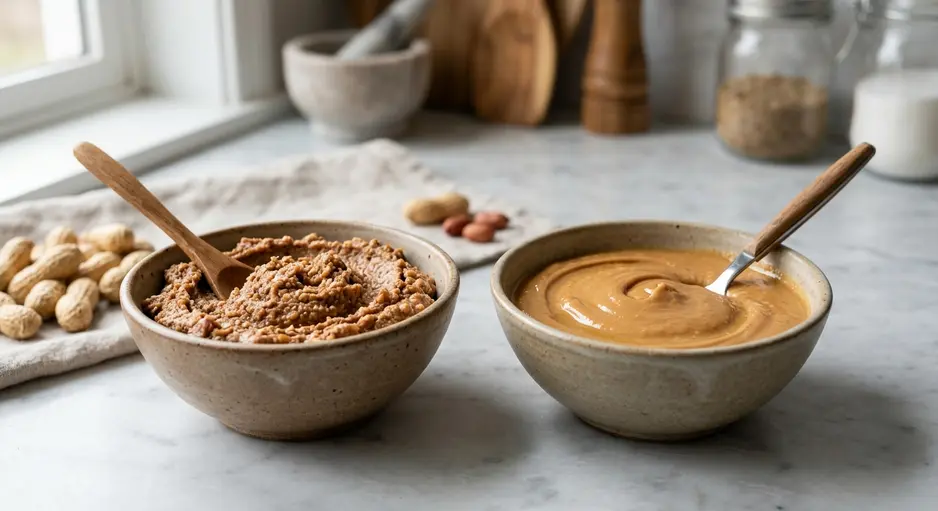
Not always. The two products can have a similar composition, but they are often made for different markets. Intended use and formulation are usually more important than appearance alone.
What Is Peanut Paste?
Peanut paste is made by grinding peanuts into a fine or coarse paste. Roasted peanuts are commonly used, although the exact process depends on the buyer’s requirements and the manufacturer’s specifications.
Commercial suppliers may offer smooth or coarse paste with light, medium, or dark roast profiles. A product may also be stabilized or unstabilized. Its viscosity and grind size can be adjusted for a specific food application.
Common peanut paste uses include bakery fillings, sauces, confectionery, biscuits, snack products, and finished spreads. It can also serve as a base ingredient in recipes where consistent flavor and mixing performance are important.
What Is Natural Peanut Butter?
Natural peanut butter usually contains peanuts only or peanuts with salt. It often has no conventional stabilizers or added sweeteners. However, the word “natural” does not have one universal definition across every market.
Consumers should always read the peanut butter ingredients. Some products marketed as natural may include sugar, oil, or other ingredients. Unstabilized products may also develop a layer of peanut oil on top.
Why Labels and Specifications Matter
In the United States, standardized peanut butter must contain at least 90% peanuts under FDA regulation 21 CFR §164.150. Other countries can have different requirements for composition, labeling, and approved ingredients.
Before buying, check the ingredient list, roast level, grind size, salt, sugar, added oils, and intended use. Commercial buyers should also request a product specification sheet rather than relying on the product name alone.
Peanut Paste vs Peanut Butter at a Glance
Typical Purpose
Peanut paste: Often supplied as a base ingredient for food processing.
Natural peanut butter: Usually sold as a finished spread for direct consumption or home cooking.
Ingredients and Consistency
Peanut paste: Often consists of ground peanuts, but the formulation depends on the specification. It may be fluid, dense, smooth, or coarse.
Natural peanut butter: Commonly contains peanuts with optional salt. Its peanut butter consistency is spreadable, although oil separation may occur.
Packaging and Applications
Peanut paste: Commonly purchased in food-service or industrial packs for mixing into other products.
Natural peanut butter: Usually packed in consumer jars or food-service containers for toast, smoothies, snacks, and recipes.
The Main Difference Between Peanut Paste and Peanut Butter
The main difference is generally the intended use. One is often an industrial ingredient, while the other is presented as a finished food. A product made from 100% peanuts could serve either role, depending on its grind, processing, packaging, and labeling.
Smooth vs Crunchy Peanut Butter
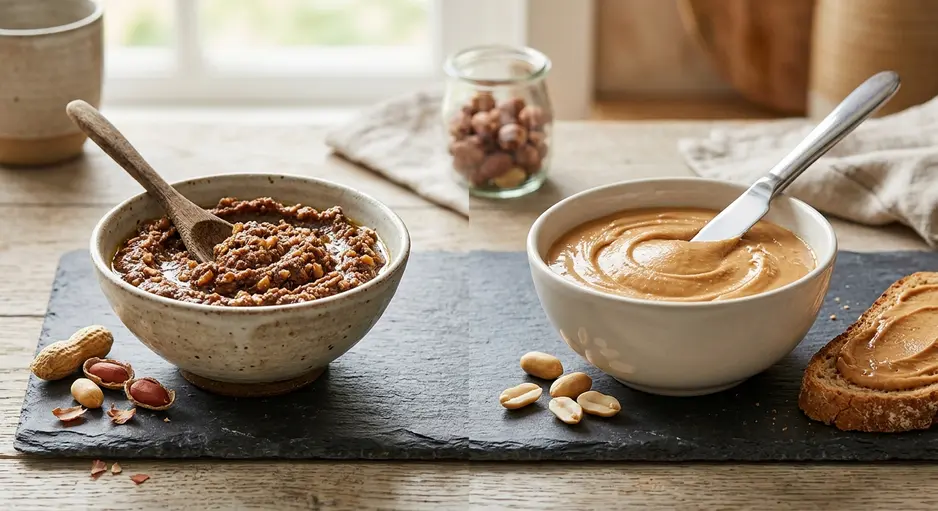
Creamy peanut butter has a fine, even texture that is easy to spread. Crunchy peanut butter includes visible peanut pieces. Industrial paste is more likely to have a controlled grind size so that it performs the same way from one production batch to another.
Which Product Has Better Nutritional Value?
Peanut Butter Nutritional Value
Peanuts naturally provide plant-based protein, mostly unsaturated fat, dietary fiber, vitamin E, niacin, and magnesium. Exact values depend on the product, serving size, and added ingredients. USDA FoodData Central can be used to compare general nutrient profiles, while the package label provides product-specific data.
A product may be described as high protein peanut butter only when it meets the labeling rules in the target country. Marketing terms should not replace a review of the nutrition panel.
Is Peanut Paste Healthier Than Peanut Butter?
Neither product is automatically healthier. If both contain only peanuts, their nutrition can be almost identical. The key differences usually come from added sugar, salt, oils, stabilizers, peanut concentration, and portion size.
No added sugar peanut butter can be a practical choice for people who want to control sweetness. Unsweetened peanut butter is still energy-dense, however, because peanuts naturally contain fat and calories.
How to Choose a Healthy Peanut Butter
- Look for peanuts at or near the top of the ingredient list.
- Compare added sugar and sodium between similar serving sizes.
- Check whether extra oils or stabilizers are included.
- Review calories, protein, and fiber per serving.
- Choose a texture and formulation that fit your daily needs.
“Natural,” “organic,” and “healthy” describe different features. Organic peanut butter relates to certified production practices. It does not automatically mean that a product is sugar-free, lower in calories, or better for every diet.
Texture, Flavor, and Peanut Butter Consistency
Why Natural Peanut Butter Separates
Peanuts release oil when they are ground. Without stabilizers, some of that oil can rise to the top of the jar. This is normal and is not, by itself, a sign that the product has spoiled.
Stir the oil back into the spread with a clean, dry utensil. Then follow the storage directions printed on the package. Some people find it easier to stir the jar soon after opening it.
Creamy, Crunchy, and Roasted Options
- Creamy peanut butter has a smooth texture and spreads easily.
- Crunchy peanut butter adds visible pieces and a firmer bite.
- Roasted peanut butter can have mild or intense flavor based on the roast level.
- Peanut paste may be designed for pumping, mixing, or even distribution in a recipe.
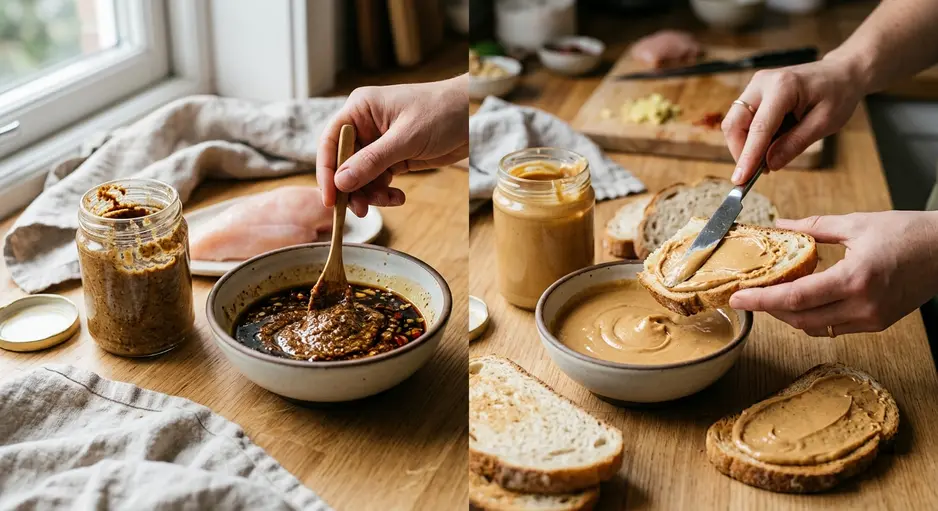
A bakery may prefer a fluid paste that blends evenly into dough. A household may choose premium peanut butter for easy spreading. A sauce producer may need a specific roast and viscosity to keep the flavor consistent across batches.
Best Peanut Paste and Peanut Butter Uses
Peanut Paste Uses in Food Processing
Food businesses use ground peanut products in many applications, including:
- Bakery fillings, cookies, and biscuits
- Confectionery and coated snacks
- Protein bars and peanut-flavored products
- Savory sauces and ready-to-eat foods
- Smoothies and beverage mixes
- Finished retail spreads
Commercial buyers should evaluate more than flavor. Viscosity, roast profile, allergen controls, microbiological standards, traceability, and batch consistency can all affect production.
Best Peanut Butter for Daily Use
The best peanut butter for daily use depends on how it will be served. A natural creamy product works well as a healthy breakfast spread or smoothie ingredient. A crunchy option adds texture to toast and snacks.
An unsweetened version gives cooks more control over sweetness in sauces and desserts. Stabilized spreads may be easier to store and spread because they have less oil separation. Shoppers who value certified sourcing may prefer an organic option.
Can Peanut Paste Replace Peanut Butter in Baking?
Peanut paste for food processing can often replace a spread in baked recipes, but a one-to-one swap may not give the same result. Differences in oil, salt, sugar, and viscosity can change dough texture, flavor, and browning.
Home cooks should compare the ingredient lists before substituting. Food producers should run a small trial batch and adjust the recipe before moving to full production.
Storage, Safety, and Peanut Butter Shelf Life
How Long Does Peanut Butter Last?
There is no single shelf life for every product. It depends on formulation, roasting, processing, packaging, storage conditions, and whether the pack has been opened. Follow the best-before date and the manufacturer’s directions.
Natural spreads may have different storage needs from stabilized products. Oil separation is normal, but an unusual smell, flavor, color, or damaged package may indicate a quality problem.
Practical Storage Tips
- Keep the container tightly closed.
- Use clean and dry utensils.
- Store it away from heat and direct sunlight.
- Refrigerate after opening when the label directs you to do so.
- Stir separated oil through the full jar before storage.
Allergen and Quality Controls
Peanuts are a major allergen in many countries. Food businesses need suitable allergen controls, hygienic processing, traceability, and market-compliant labels. Bulk buyers should request relevant certificates, test reports, and production records from the supplier.
How to Choose a Peanut Butter Manufacturer or Exporter
What Commercial Buyers Should Verify
Before selecting a peanut butter manufacturer, request clear technical and commercial information. A useful buyer checklist includes:
- Ingredient formulation and peanut origin
- Traceability and allergen-management procedures
- Roast profile, grind size, and viscosity
- Microbiological testing and food safety documentation
- Packaging formats and minimum order quantities
- Production capacity and private-label options
- Samples or pilot-batch availability
- Export documents and destination-market compliance
What Affects Peanut Butter Price?
Peanut butter price can change with raw peanut grade, crop availability, peanut content, organic certification, processing needs, and added ingredients. Packaging, order volume, testing, freight, duties, and destination also affect the total cost.
A lower unit quote may not produce the lowest landed cost. Buyers should consider consistency, lead time, documentation, and the risk of rejected or delayed shipments.
Selecting an International Peanut Butter Supplier
A reliable international peanut butter supplier should provide a clear specification sheet and explain whether the product is a finished spread or an ingredient for further processing. Buyers should confirm labeling, packaging, shelf-life requirements, and export documents before placing a bulk order.
Businesses sourcing peanut paste or peanut butter in bulk can contact Nutrionex Foods to ask about product specifications, packaging, samples, export support, and current pricing.
Final Thoughts
The peanut paste vs peanut butter comparison is less about appearance and more about formulation and purpose. Both may share the same main ingredient, yet differ in texture, stabilization, packaging, labeling, and use.
Consumers should read ingredient and nutrition labels before choosing a spread. Commercial buyers should review specifications, samples, testing, and export requirements. For bulk sourcing information and a current quotation, contact Nutrionex Foods to discuss the needs of your product or market.
Frequently Asked Questions
1. Is peanut paste the same as peanut butter?
They may have a similar composition, but they are not always sold for the same purpose. Paste is commonly supplied as a food-manufacturing ingredient. Peanut butter is usually formulated, packaged, and labeled as a finished spread.
2. Which is healthier: peanut paste or natural peanut butter?
Neither is automatically healthier. When both contain only peanuts, their nutrient profiles may be very similar. Compare added sugar, sodium, extra oils, serving size, and your personal dietary needs.
3. Does natural peanut butter contain added sugar?
Not always. Many products contain only peanuts or peanuts and salt. However, the word “natural” does not guarantee a no-sugar recipe, so check the ingredient list and nutrition panel.
4. Why does natural peanut butter have oil on top?
Peanut oil rises when a spread does not contain stabilizers that limit separation. The oil can usually be stirred back into the product. Always follow the storage instructions on the jar.
5. What is the best peanut butter for daily use?
Choose a product with an ingredient list, sodium level, and added-sugar content that fit your needs. Then select creamy or crunchy texture based on how you plan to use it.