Peanut Butter Exporter To Israel From India
Demand for convenient, protein-rich foods creates fresh opportunities for Israeli importers, retailers, and foodservice businesses. Yet choosing a peanut butter exporter to Israel involves more than comparing factory prices. Buyers must also review ingredients, texture, food safety, packaging, shelf life, labels, and shipping support.
India offers access to groundnut-growing regions and a broad food-processing base. This gives buyers options across creamy, crunchy, natural, and private-label products. This guide explains the main points to check when planning peanut butter export from India to Israel. It also introduces Nutrionex Foods as an Indian supplier that buyers may consider for their sourcing needs.
Why Israeli Buyers Source Peanut Butter from India

India’s Groundnut and Processing Strengths
India has established peanut-growing areas and food-processing infrastructure. This foundation can support different recipes, textures, jar sizes, and commercial formats. It also gives volume buyers the chance to discuss products for retail, foodservice, or private-label use.
A peanut butter manufacturer in India may offer cost and supply benefits, but buyers should look beyond the initial quote. Product consistency, technical documents, packaging strength, and communication can have a greater effect on long-term success.
Demand for a Healthy Breakfast Spread
Peanut butter is easy to use at breakfast or between meals. Consumers can spread it on toast, add it to smoothies, or pair it with fruit. Peanut butter for sandwiches is also useful at home, in cafes, and in institutional catering.
Food businesses may use it in sauces, baked goods, desserts, and protein meals. Vegan consumers can also use suitable recipes as part of a plant-based diet. These uses give importers several ways to position a healthy breakfast spread.
Retail and Foodservice Opportunities
Possible sales channels include supermarkets, convenience stores, online shops, health-food outlets, and sports-nutrition stores. Hotels, bakeries, cafés, and catering businesses may need retail jars or larger foodservice packs.
Which Peanut Butter Products Work Best in Israel?
Creamy Peanut Butter with a Smooth Texture
Creamy peanut butter offers a familiar taste and easy spreadability. A smooth peanut butter texture works well on toast and sandwiches. It can also be used in sauces, smoothies, baking, and family meals.
Mainstream retail buyers often look for stable texture and consistent flavor. They should define the desired thickness, sweetness, salt level, and roasting profile before ordering.
Crunchy Peanut Butter for Added Texture
Crunchy peanut butter contains roasted peanut pieces that add bite. Buyers should agree on the size and amount of these pieces because the crunchy peanut butter texture can differ between formulas.
This option may suit retail shoppers who prefer a stronger eating experience. It can also work in bakery recipes, desserts, and selected foodservice applications.
Natural Peanut Butter vs Regular Peanut Butter
Regular creamy: Often designed for a stable, smooth texture and familiar flavor. It may suit mainstream retail.
Crunchy: Includes peanut pieces and works in both retail and foodservice channels.
Natural: Usually has a simpler ingredient profile. Natural oil separation may occur, so stirring instructions can be useful.
No added sugar: Supports lower-sugar positioning for fitness and wellness customers.
Organic: May suit premium specialty retail when the ingredients and finished product have suitable certification.
The natural peanut butter vs regular peanut butter choice depends on the target market. Natural recipes may appeal to label-conscious shoppers, while stabilized products can offer easier spreading and less oil separation.
High-Protein, Vegan and Gluten-Free Options
Health-focused buyers may request high protein peanut butter, no added sugar peanut butter, or preservative-free peanut butter. Vegan peanut butter can also appeal to plant-based consumers when every ingredient supports the claim.
Peanuts do not contain gluten as an ingredient. However, gluten-free peanut butter claims should be supported by appropriate production controls and cross-contact testing. Organic peanut butter also requires valid certification. Buyers should not use any claim until the recipe, records, and test results support it.
What Should an Israeli Importer Check?
Ingredients, Flavor and Nutritional Value
A written product specification prevents confusion. It should state the peanut percentage, protein content, added sugar, salt, oils, serving size, and other key details. The buyer should also define the expected color, flavor, roasting level, and texture.
Peanut butter nutritional value changes with the formula. Importers should compare protein, calories, sugar, salt, and fat per 100 grams and per serving. This is more useful than relying on broad claims about the benefits of peanut butter.
Food Safety, Testing and Traceability
Before selecting an international peanut butter supplier, ask for documents that relate to the exact product. Depending on the order and applicable rules, the review may include:
- Product specification sheet
- Certificate of Analysis for the relevant batch
- Microbiological test information
- Aflatoxin testing where applicable
- Allergen-control documents
- Batch traceability records
- Current food safety certificates
- Recall and complaint procedures
Certificates should be checked for their scope, issuer, facility details, and validity. A logo in a brochure is not enough to confirm compliance.
Peanut Butter Shelf Life and Storage
Peanut butter shelf life depends on the formula, processing method, container, seal, and storage conditions. Buyers should request validation for the exact recipe and package rather than accepting a general estimate.
Natural formulas may show oil separation during storage. This is not always a defect, but consumers need clear stirring and storage instructions. Importers should also define the minimum remaining shelf life required when the shipment reaches Israel.
Samples and Pilot Orders
- Request samples made to the proposed commercial formula.
- Test flavor, texture, spreadability, sealing, and jar strength.
- Approve the final specification in writing.
- Place a pilot shipment where practical.
- Compare the received product with the approved sample.
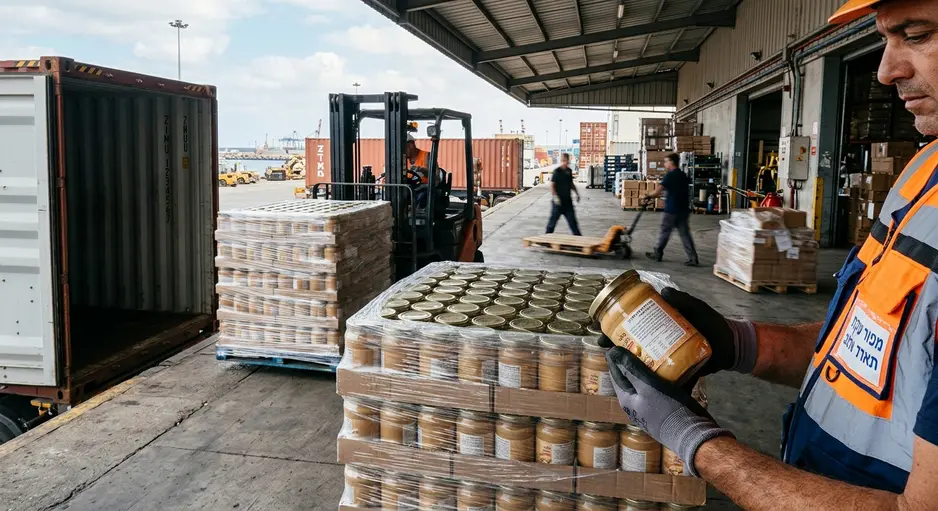
How Does Export from India to Israel Work?
Does Peanut Butter Need Approval in Israel?
Import requirements can depend on the product’s ingredients, classification, claims, packaging, and intended use. The registered Israeli importer should confirm the current process with the relevant health, customs, standards, and regulatory authorities.
Requirements may change, so approval should be checked before labels are printed or production begins. Importers should also work with a customs broker or qualified regulatory adviser. This guide is practical sourcing information, not legal advice.
Hebrew Labels and Allergen Declarations
A pre-shipment label review can reduce delays and rework. Depending on current requirements, the review may cover:
- Product name and full ingredient list
- Clear peanut allergen declaration
- Net weight and nutritional information
- Country of origin
- Manufacturer and importer information
- Lot, production, and best-before details
- Storage and stirring instructions
- Applicable Hebrew-language content
- Any nutrition or health claims
The importer should approve the final artwork before printing. Every statement on the label must match the product specification and supporting records.
Is Kosher Certification Required?
Kosher certification may not be a universal legal requirement for every imported food, but it can be important for retail placement and customer acceptance in Israel. Buyers should state whether they need it before product development starts.
The acceptable certifying authority should also be agreed in advance. Ingredients, processing lines, cleaning methods, and packaging may need review as part of the certification process.
Export Documents and Customs Classification
Documents may include a commercial invoice, packing list, transport document, certificate of origin, product specification, Certificate of Analysis, and insurance records. Health documents, declarations, or import permits may also apply.
Peanut butter is often considered within the customs heading for prepared or preserved groundnuts. However, the final code, duty treatment, and required documents should be confirmed by the Israeli importer and customs professional before shipment.
Packaging, Private Label and Bulk Supply
Peanut Butter Packaging Options
Packaging can include retail jars, foodservice tubs, or larger containers for institutional and industrial users. Tamper-evident features and induction seals can help protect the product during storage and distribution.
Export cartons should withstand stacking, handling, vibration, and normal temperature changes during transport. Buyers should test jars, lids, seals, cartons, and pallets as one complete packaging system.
Private Label Peanut Butter
A private label peanut butter project may involve custom formulas, jar sizes, lids, labels, and cartons. Buyers can also discuss creamy, crunchy, natural, and no-added-sugar recipes, subject to the manufacturer’s capabilities.
Hebrew label coordination, barcode location, and batch-code placement should be part of artwork approval. Minimum order quantities may change with the recipe, jar type, printed label, and carton design.
Retail Jars or Bulk Peanut Butter for Israel?
Retail-ready jars can move directly to stores once compliant packaging is approved. They require more work before production because all labels and packs must be finalized.
Bulk peanut butter for Israel may suit bakeries, foodservice companies, industrial users, or local repacking operations. Buyers should compare landed cost, lead time, storage needs, local packing capacity, and shelf life before choosing a format.
How to Choose a Peanut Butter Exporter to Israel
Questions to Ask the Manufacturer
- Can you produce creamy, crunchy, and natural recipes?
- Which current food safety certificates can you share?
- How are peanuts and finished batches tested?
- Can you support kosher production if required?
- What are the minimum order quantities and lead times?
- Which private-label packaging formats are available?
- How do you manage allergen cross-contact?
- What shelf-life evidence supports the product?
- Have the jars and cartons been tested for export?
- Who prepares shipping and inspection documents?
Compare Landed Cost, Not Only Factory Price
Landed cost includes the product, packaging, labels, inland transport, freight, insurance, customs charges, testing, warehousing, and possible damaged stock. Distributor margins and local delivery costs also matter.
A low factory quote may become less attractive if it excludes key packaging or shipping expenses. Ask each supplier to quote on the same delivery terms for a fair comparison.
Warning Signs When Selecting a Supplier
- Certificates cannot be verified
- Batch testing or traceability is unclear
- Samples vary in taste or texture
- Ingredients are not fully disclosed
- Shelf-life claims lack supporting evidence
- Label and document questions receive vague answers
- Major freight or packing costs are excluded
Working with Nutrionex Foods
Nutrionex Foods is a potential Indian sourcing option for importers looking for a peanut butter supplier Israel businesses can evaluate. Buyers can contact the company to discuss available formulations, retail or bulk formats, target jar sizes, private-label needs, annual forecasts, and delivery terms.
Product range, certifications, production capacity, order quantities, lead times, and export support should be confirmed directly with the company before an order is placed.
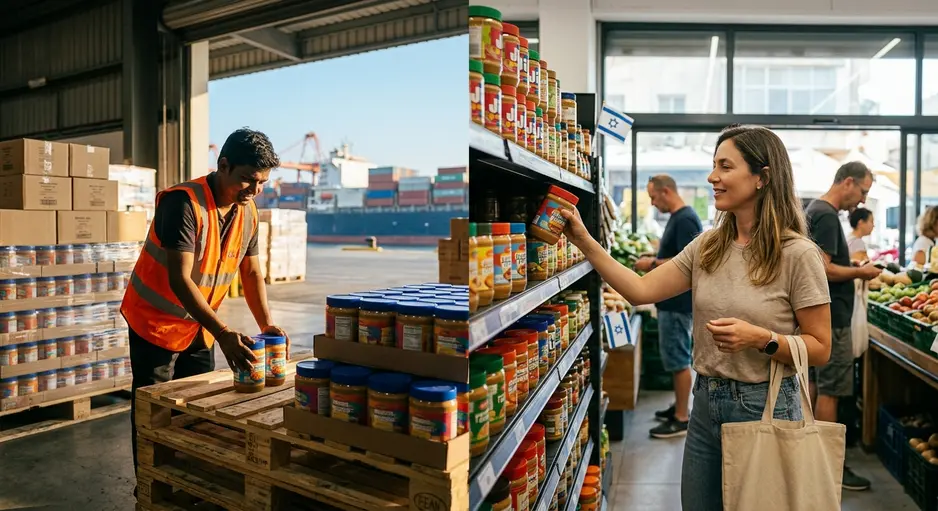
Illustrative Buyer Scenario
This step-by-step process reduces the risk of formula differences, label errors, and packaging problems. Buyers can contact Nutrionex Foods through nutrionexfoods.com to discuss their requirements.
Peanut Butter Exporter to Israel
Conclusion
Selecting a peanut butter exporter to Israel requires careful review of the recipe, test records, labels, packaging, shelf life, logistics, and landed cost. Start with a clear specification, test commercial samples, and confirm regulatory needs with the Israeli importer before production.
Looking for Indian sourcing support? Contact Nutrionex Foods to discuss creamy, crunchy, natural, private-label, retail, and bulk requirements. Confirm all product capabilities, certifications, order quantities, and export documents directly before placing your commercial order.
Frequently Asked Questions
Who is a reliable peanut butter exporter to Israel?
Reliability should be judged through consistent samples, traceability, testing, valid certificates, export packaging, clear documents, and responsive communication. Price alone does not show whether a supplier can manage a long-term program.
Can India export peanut butter to Israel?
Yes, subject to applicable Indian export procedures and current Israeli import, customs, labeling, and product requirements. The importer should verify every requirement before production and shipment.
What is the best peanut butter for retail?
The best peanut butter for retail depends on the target customer. Mainstream shoppers may prefer stable creamy products, while wellness buyers may choose natural, high-protein, or no-added-sugar recipes.
Is natural peanut butter healthier than regular peanut butter?
Natural products often have simpler ingredient lists, but nutritional value varies. Compare peanut content, protein, sugar, salt, oils, calories, and serving size rather than relying on the product name.
Is peanut butter vegan and gluten-free?
It can be vegan and made without gluten ingredients. However, the full ingredient list, processing controls, and cross-contact risks must support these claims.
What is the minimum export order?
Minimum orders vary by recipe, package size, printed labels, cartons, and production schedule. Request separate quantities for samples, pilot runs, and full commercial orders.